Definite and Indefinite Articles: Master Portuguese

What are articles and their function in the Portuguese language? Definite and Indefinite Articles are essential word classes in the Portuguese language, preceding nouns to determine or make their reference indeterminate. They agree in gender (masculine/feminine) and number (singular/plural) with the noun they refer to, playing a crucial role in the clarity and precision of communication. Understanding the function of articles is fundamental for anyone wishing to master Portuguese, whether for formal writing, everyday conversation, or proficiency exams. They help us identify whether we are talking about something specific or something generic, directly impacting the meaning of sentences. There are two main categories: definite articles and indefinite articles, each with its own rules and contexts of use. In this comprehensive guide, we will explore each type of article in depth, providing practical examples and valuable tips so that you can use them confidently and correctly. Understanding the distinction between a definite and an indefinite article is a giant step towards fluency and grammatical accuracy. Definite Articles: Usage, Examples, and Essential Rules Definite articles are used to indicate a specific noun, known to both the speaker and the listener. In Portuguese, they are: o, a, os, as. Their main function is to particularize the noun, making it unique in that context. For example, when saying “o livro” (the book), we are referring to a specific book that has already been mentioned or that is common knowledge. Agreement is a golden rule: the definite article must always agree in gender and number with the noun. If the noun is feminine singular, the article will be “a”; if it is masculine plural, it will be “os”. Let’s look at some clear examples: O carro (masculine singular) A casa (feminine singular) Os meninos (masculine plural) As meninas (plural feminine) The main contractions are: De + o/a/os/as = do, da, dos, das (Ex: Maria’s book) Em + o/a/os/as = no, na, nos, nas (Ex: He is in the office) Por + o/a/os/as = pelo, pela, pelos, pelas (Ex: We passed through the square) A + a/as = à, às (contraction occurs when the preposition ‘a’ is joined with the article ‘a’ or ‘as’. Ex: I’m going to the beach) For example, “I bought a cake. The cake was delicious.” This usage is crucial for textual cohesion and to avoid ambiguities. In some contexts, definite articles are mandatory, such as before superlatives (“The most beautiful flower”) and before names of languages when used as nouns (“Portuguese is complex”). However, there are exceptions, for example, when the language is the direct object of verbs like ‘to speak’ or ‘to learn’ without specificity (“I speak Portuguese fluently“). Mastering definite articles requires practice and attention to the nuances of language. Indefinite Articles: When and How to Use Them Correctly Unlike definite articles, indefinite articles are used to refer to a noun in a generic, imprecise way, or when it is introduced for the first time in discourse. They indicate that the noun is any example of its kind, not a specific one. In Portuguese, the indefinite articles are: um, uma, uns, umas. Like definite articles, indefinite articles also agree in gender and number with the noun. If we are talking about any object that is not known or has not been specified, we use “um” or “uma”. For example, “Eu vi um filhote na rua” – any puppy, not a particular one. If we said “Vi o cachorro na rua”, this would imply that both the speaker and the listener know which dog is being referred to. Observe the agreement in the following examples: A book (masculine singular) A pen (feminine singular) Some friends (masculine plural) Some flowers (feminine plural) For example, “A new student arrived in the class.” This transition from the indefinite to the definite is a fundamental mechanism of textual cohesion in Portuguese. For example, “I need a few days off” (a few days, not an exact amount). It is crucial to understand the difference in meaning that the use of a definite or indefinite article can generate. “I bought the car” means I bought that specific car that you and I know. In contrast to definite articles, indefinite articles do not contract with prepositions in the same way. Clarity in the use of these articles is an indication of proficiency in the language and avoids misunderstandings. Practice identifying when a noun is generic or specific to make the correct choice. Common Challenges and Tips to Avoid Making Mistakes Again Although they may seem simple, definite and indefinite articles can present challenges for learners and even native speakers, especially in more complex situations or regional variations. A common mistake is the inappropriate omission of the article, or its excessive use where it is not necessary. Both forms are acceptable, but preference varies culturally. Another point of attention is the use of the article before possessive pronouns. Although it is generally optional (“Minha casa” or “A minha casa”), the presence of the article can give a more formal or emphatic tone to the sentence. To solidify your knowledge of definite and indefinite articles, consider the following tips: Read extensively in Portuguese: Constant exposure to the language helps internalize the correct use of articles in different contexts. Pay attention to how writers use them. Practice writing: Write sentences and paragraphs, paying attention to the choice between a definite and an indefinite article. Ask a native speaker or teacher to review your text. Do specific exercises: Look for fill-in-the-blank exercises that require choosing the correct article. This reinforces the rules and exceptions. Create your own examples: Think about objects and situations from your daily life and try to form sentences using both definite and indefinite articles to describe them. Observe the context: Always analyze whether the noun has already been mentioned, whether it is known to everyone, or whether it is being introduced for the first time. This is key to the decision. Mastering articles is a fundamental step towards achieving fluency and accuracy in the Portuguese language.
Portuguese Course for Children

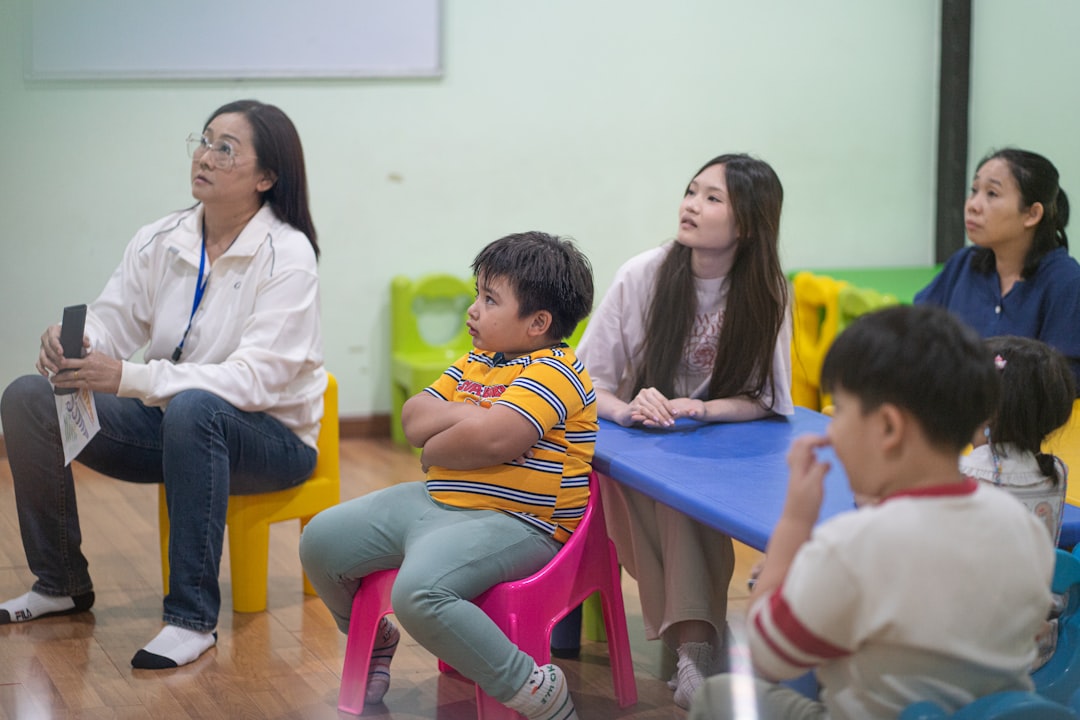
Learning a new language during childhood is one of the greatest gifts parents can offer. Children absorb sounds, rhythms, and words quickly, which makes this stage ideal for acquiring Portuguese. Because of this natural ability, enrolling a child in a Portuguese course for children can open doors to culture, communication, and future opportunities. In this article, you’ll discover why Portuguese is a powerful language, how kids learn best, and what makes a children-focused programme truly effective. By the end, you’ll also find practical tips so parents can support learning at home. Why Choose a Portuguese Course for Children? Many parents want their children to grow up bilingual, and Portuguese is an excellent choice. After all, it is spoken by more than 260 million people worldwide. Above all, learning Portuguese strengthens cognitive skills and improves memory. In addition, children who start learning early show better pronunciation and a more natural flow. This advantage makes the learning journey easier and much more enjoyable. Furthermore, Portuguese connects children to rich cultures such as Portugal, Brazil, Angola, Mozambique, and Cape Verde. Through stories, music, and games, children not only learn words but also understand the diversity of the Lusophone world. How Children Learn Portuguese Naturally Children learn differently from adults. They need play, repetition, and emotional connection. Therefore, the most successful courses use: 1. Play-Based Learning Games, songs, and storytelling help children understand new words without pressure. This approach keeps learning light and fun. 2. Visual and Sensory Activities Flashcards, pictures, drawings, and real objects strengthen memory. Kids learn faster when they can see, touch, or act out words. 3. Short and Engaging Lessons with Portuguese Course for Children Children maintain focus for short periods. For this reason, the best Portuguese courses keep lessons dynamic and varied. 4. Immersive Communication Speaking Portuguese from the first lesson helps children build natural confidence. Simple phrases like “Como te chamas?” or “Queres brincar?” make them participate actively. What to Look for in a Portuguese Course for Children Choosing the right programme matters. A quality course includes: ✔ Native or Fluent Teachers Teachers with natural pronunciation help children develop correct sounds early. ✔ Age-Appropriate Activities Young learners need different methods from teenagers. The course should match cognitive development. ✔ Online and Interactive Options Platforms such as Preply, Lingopie Kids, and Portuguese Native offer personalised online lessons that make learning flexible and accessible. ✔ Cultural Integration Stories, cartoons, children’s songs, and celebrations enrich the experience. ✔ Progress Tracking Parents need clear feedback, simple assessments, and reports that show improvement. Key Benefits of Learning Portuguese Course for Children When a child takes a Portuguese course, they gain advantages that go beyond grammar. 🌟 1. Better Academic Performance Studies show that bilingual children develop stronger problem-solving and multitasking skills. 🌟 2. Improved Communication Skills They become better listeners and more confident speakers. 🌟 3. Cultural Awareness Portuguese exposes them to new foods, music, stories, and traditions. 🌟 4. Future Career Opportunities Growing up bilingual opens doors to international jobs and travel. 🌟 5. Stronger Brain Development Learning languages boosts memory, attention, and creativity. Simple Portuguese Phrases for Children to Start Using Here are some beginner-friendly phrases kids love: Including pronunciation makes learning easier: Children enjoy repeating sounds, so start with daily routines and simple dialogues. Best Online Platforms for Kids Learning Portuguese Because parents want flexible options, many choose online lessons. Some recommended platforms include: ⭐ Preply One-to-one lessons with child-friendly tutors. ⭐ Portuguese Native A platform focused on European Portuguese and brazilian portuguese, offering structured lessons and fun activities. ⭐ LingoPie Kids Children learn through cartoons in Portuguese. ⭐ YouTube Educational Channels Channels with songs, stories, and vocabulary help reinforce learning for free. How Parents Can Help at Home with Portuguese Course for Children Even small actions make a big difference. For example: In this way, learning becomes natural and continuous. Conclusion: Portuguese Course for Children A Portuguese course for children does more than teach vocabulary. It creates confidence, expands cultural awareness, and strengthens the brain. With fun activities, interactive lessons, and consistency, any child can learn Portuguese naturally. Whether you choose online classes or in-person lessons, the key is to keep learning playful and positive. Because when children enjoy the journey, fluency becomes a natural result. Schedule a live class with Portuguese Course for Children
Learn Basic Portuguese for Your Trip to Brazil

Why It’s Worth Learning a Bit of Portuguese Before Traveling Learn Basic Portuguese for Your Trip to Brazil – If you’re visiting Brazil soon, knowing a few basic Portuguese words and expressions can make all the difference.Even if you don’t speak fluently, locals really appreciate when you try — and you’ll instantly feel more welcomed. From ordering a meal to asking for directions, every “Olá” or “Obrigado” opens new doors. Plus, it helps you avoid misunderstandings, save time, and enjoy Brazil like a local. 💡 Start learning now with our Portuguese online courses — perfect for travelers and beginners who want to feel confident abroad. Everyday Phrases to Use in Brazil Here are some simple and friendly expressions you’ll hear every day: English Portuguese Pronunciation Hello Olá oh-LAH How are you? Como vai? KOH-moo VA-ee Good morning Bom dia bohn JEE-ah Thank you Obrigado / Obrigada oh-bree-GAH-do / dah Please Por favor por fah-VOR Excuse me Com licença kohm lee-SEN-sah Sorry Desculpe des-KOOL-pee Goodbye Tchau chow 👉 Use these words with a smile — Brazilians love warm communication! Ordering Food Like a Local Brazilian food is full of color, flavor, and stories.Knowing just a few words can make your dining experience even better: English Portuguese I’d like… Eu gostaria de… The menu, please O cardápio, por favor Water Água Coffee Café Juice Suco Bill, please A conta, por favor Delicious! Delicioso! To learn these words in a fun way, read this great guide:Learn Portuguese through Brazilian songs and movies Getting Around the City Even in big cities like São Paulo or Rio, English is not common in every area.That’s why these short phrases are life-savers: English Portuguese Where is the hotel? Onde fica o hotel? How do I get to the beach? Como chego à praia? I need a taxi Preciso de um táxi Left / Right Esquerda / Direita Straight ahead Em frente Airport Aeroporto 📍 Locals are friendly and helpful — don’t be afraid to ask for directions! Talk About Yourself and Make Friends Brazilians are social people who love talking and meeting new friends.Here are some phrases that help you connect naturally: English Portuguese I’m from… Eu sou de… I’m visiting Brazil Estou a visitar o Brasil I love this city! Eu adoro esta cidade! It’s beautiful here É lindo aqui I’m staying for two weeks Vou ficar por duas semanas The more you talk, the more confident you’ll feel — and the faster you’ll learn. Easy Ways to Practice Every Day and Learn Basic Portuguese Learning Portuguese doesn’t have to be hard. Here’s how you can practice daily, even if you’re busy: Small daily habits lead to real progress — and soon, you’ll start thinking in Portuguese! Discover the Culture Behind the Words for Learn Basic Portuguese Portuguese isn’t just a language — it’s a reflection of Brazil’s heart.When you learn words like “saudade” (a deep emotional longing) or “jeitinho” (creative problem-solving), you begin to understand how Brazilians see the world. Learning these cultural details helps you not only speak the language but live it. Final Thoughts Traveling to Brazil becomes much easier and more enjoyable when you know basic Portuguese.You’ll connect better, feel more confident, and enjoy real experiences that go beyond the tourist route. So start today — even a few minutes of study can change how you experience your next trip. 👉 Join our Portuguese courses for beginners and prepare to speak Portuguese with confidence when you land in Brazil!
Definite and Indefinite Articles in Portuguese – A Complete Beginner’s Guide

If you are learning Portuguese, understanding definite and indefinite articles is one of the first (and most important) grammar steps. Don’t worry — it’s much easier than it sounds! In this guide, you’ll learn the difference between definite and indefinite articles in Portuguese, how to use them in real sentences, and how they change depending on gender and number. Let’s make it simple and fun! What Are Articles? Articles are small words that come before nouns to show whether we are talking about something specific or general. In English, you already know them: Portuguese works the same way, but the articles agree with gender (masculine/feminine) and number (singular/plural) of the noun. Definite Articles in Portuguese Definite articles talk about specific things — things both the speaker and listener know about. English Portuguese (Masculine) Portuguese (Feminine) the o (singular) / os (plural) a (singular) / as (plural) Examples: 💡 Tip: In Portuguese, articles are often used more frequently than in English. For example, you might say “O João é meu amigo” (literally “The João is my friend”) — something you would never say in English. Indefinite Articles in Portuguese Indefinite articles talk about unspecified or general things — something you’re mentioning for the first time. English Portuguese (Masculine) Portuguese (Feminine) a / an um (singular) / uns (plural) uma (singular) / umas (plural) Examples: Difference Between Definite and Indefinite Articles in Portuguese Situation Example with Definite Article Example with Indefinite Article Talking about something known O gato está no sofá. (The cat is on the sofa.) Um gato está no sofá. (A cat is on the sofa.) Talking about general facts As crianças gostam de brincar. (Children like to play.) Umas crianças estavam a brincar. (Some children were playing.) The difference is simple: Receive live lessons with a 70% discount Brazilian vs European Portuguese The rules are the same, but pronunciation and usage differ slightly. In Brazilian Portuguese: In European Portuguese: 👉 Both are correct! Listening to native speakers helps you catch these small pronunciation details. You can find many definite and indefinite articles in Portuguese audio examples on YouTube or language podcasts. Practice: Quick Exercises Try these short exercises to check your understanding. Exercise 1: Fill in the blanks Choose the correct article (o, a, um, uma): (Answers below) Exercise 2: Translate into Portuguese Translate these into Portuguese: ✅ Answers: Pronunciation and Practice Resources If you want to improve your pronunciation and listening: Quick Chart for Reference Article Type Masculine Singular Feminine Singular Masculine Plural Feminine Plural Definite o a os as Indefinite um uma uns umas You can download a free PDF chart below to print or study offline. ⬇️ Schedule your class now Extra Tips and Common Mistakes Frequently Asked Questions (FAQ) 1. What are the definite articles in Portuguese?The definite articles are o, a, os, as, used for specific nouns. 2. What are the indefinite articles in Portuguese?They are um, uma, uns, umas, used for general or unspecified nouns. 3. What is the difference between definite and indefinite articles in Portuguese?Definite = specific (known). Indefinite = general (unknown). 4. How do you pronounce the articles in Portuguese?In Brazil: “o” (oh/oo), “a” (ah). In Portugal: “o” often sounds like “u”. 5. Can I get a Portuguese articles chart PDF?Yes! Scroll up to download the free Portuguese Articles Chart PDF for practice. Conclusion Learning definite and indefinite articles in Portuguese is an easy way to make your sentences sound natural and fluent. Remember: Practice with examples, listen to native pronunciation, and use your new knowledge in daily conversation. If you found this helpful, share it with a friend learning Portuguese and download the free PDF chart to keep practicing every day! .
Learn Portuguese Grammar Basics – A Complete Beginner’s Guide

Learn Portuguese grammar can feel overwhelming. This guide will introduce you to the basics in a clear, simple way. Whether for travel, business, or curiosity, this article is for you. By mastering fundamentals, you’ll build sentences, communicate clearly, and gain confidence in speaking and writing. Discover the beauty of Portuguese, a rich Romance language, and unlock new experiences!