Generic selectors
Exact matches only
Search in title
Search in content
Post Type Selectors
Generic selectors
Exact matches only
Search in title
Search in content
Post Type Selectors

The Entire History of the Portuguese Empire: From Ceuta to Macau

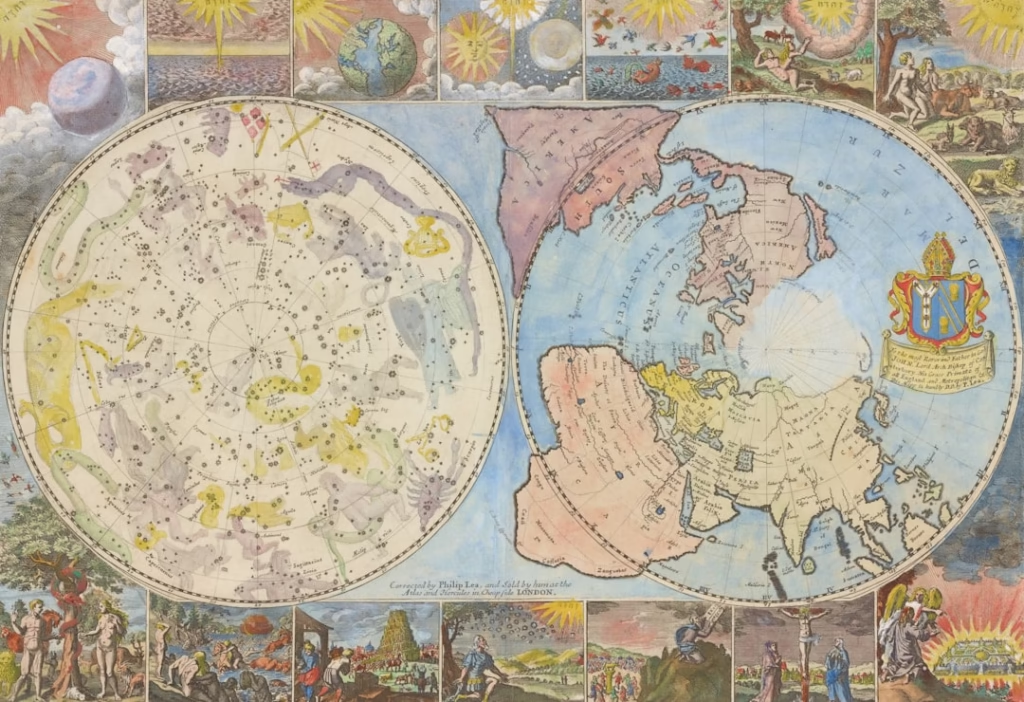
History of the Portuguese Empire. A tiny kingdom on Europe’s Atlantic edge transformed the map of global trade. Between the capture of Ceuta in 1415 and the handover of Macau in 1999, Portugal built one of history’s longest-lived maritime empires. Its sailors charted new sea routes, linked continents, and created commercial networks that shaped the modern world—while also leaving a legacy of violence, forced labor, and contested sovereignty. How a small kingdom looked seaward Portugal’s expansion began after the Reconquista, when the country’s borders were secured by the mid 13th century. With further conquest on the Iberian Peninsula off the table, Portuguese ambition turned to the sea. The capture of Ceuta in 1415 was the first outward step. Rather than simply prolonging the Christian–Muslim conflict on land, Ceuta became a logistical base for Atlantic exploration and trade. The country’s early maritime policy was championed by Prince Henry the Navigator. Using advances in navigation, ship design such as the caravel, and an appetite for charting unknown waters, Portuguese mariners explored the Atlantic archipelagos (Madeira, Azores), probed down the West African coast, and slowly pushed past previously feared obstacles like Cape Bojador. From rounding the Cape to reaching India Portuguese seafarers achieved two world-changing feats in the late 15th century. In 1488 Bartolomeu Dias rounded the southern tip of Africa and entered the Indian Ocean, proving a sea route east existed. In 1494 Portugal and Spain agreed to divide the newly discovered world with the Treaty of Tordesillas—a meridian that granted lands to the east to Portugal and to the west to Spain. Vasco da Gama’s voyage (departed 8 July 1497) realized the long-sought direct maritime route to Asia when he reached India in May 1498. That route opened European access to lucrative spice markets and laid the foundation for a chain of fortified ports across Africa and Asia. Key early expansions and discoveries about History of the Portuguese Empire Trade networks, forts, and the instruments of empire Rather than large continental conquests, Portugal built an empire of maritime nodes: forts, trading posts, and coastal enclaves. From West Africa to the Persian Gulf, from India and Southeast Asia to Japan, Portuguese ships linked a 14,000-mile route that funneled spices, textiles, gold, ivory, sugar, and slaves back to Lisbon. The empire’s commercial success relied on three features: Religion, coercion, and cultural encounters Catholic missionaries—especially Jesuits—accompanied merchants, soldiers, and administrators. Missionary activity varied from diplomatic and educational work to violent coercion. The Goa Inquisition exemplifies the harsher side of conversion campaigns, while Portuguese contacts also helped establish Christian communities and trading links in places like Nagasaki. The Iberian Union and the slow decline in History of the Portuguese Empire A succession crisis in 1580 put Portugal under the Spanish king, beginning the Iberian Union. As Spanish enemies targeted Iberian wealth, Portugal’s global network became vulnerable. The newly independent Dutch, English, and French pressed into Asian and African trade routes. The Dutch–Portuguese War (1598–1663) saw Portugal lose many Asian and African holdings even as it held on to some territories in Brazil. The Restoration of Portuguese independence in 1640 could not fully reverse a shrinking reach. By the late 17th century the empire’s focus shifted increasingly to Brazil, which became Portugal’s crown jewel after sugar and later gold discoveries. Brazil: sugar, gold, and demographic change Colonial Brazil grew slowly at first, driven by sugar plantations that demanded vast amounts of labor. This labor was largely met through transatlantic slavery. In the late 17th and 18th centuries gold and diamond discoveries in Minas Gerais triggered a migration boom and a dramatic increase in revenue—by the mid 18th century gold accounted for nearly half of Brazil’s exports in some periods. Brazil’s economic and demographic weight, combined with global revolutionary currents and eventual royal relocation, produced a decisive rupture. When the Portuguese royal family moved to Rio de Janeiro in 1808 to escape Napoleon’s invasion, Brazil’s political status rose. In 1822 Dom Pedro I declared Brazil independent, and Portugal’s empire entered a third era reduced mainly to African colonies and Asian enclaves. Portuguese for foreigners Brazilian vs European Portuguese Late imperial struggles and the end of empire The 19th century’s Scramble for Africa exposed Portugal’s limited power. An 1890 British ultimatum forced Portugal to abandon overland ambitions in southern Africa, a blow to national prestige that helped topple the monarchy in 1910 and usher in the Portuguese Republic. Throughout the 20th century Portugal clung to its African colonies under the Estado Novo dictatorship. A set of colonial wars from 1961 to 1974 drained resources and eroded domestic support. The Carnation Revolution of 25 April 1974 ended authoritarian rule and accelerated decolonization. Angola and Mozambique became independent in 1975. The final overseas transfer occurred when Macau returned to China on 20 December 1999. Legacy: language, trade routes, and contested history The Portuguese Empire’s impact endures in multiple ways. Portuguese is spoken today by about 250 million people across several continents. The sea routes and maritime knowledge developed by Portuguese navigators helped establish global trade patterns that persist to this day. Yet that legacy is complex. The empire enabled cultural exchange, trade, and the spread of technology, while also entailing slavery, violent conquest, and cultural suppression. Understanding the Portuguese Empire means recognizing both its role in knitting together the early modern world and the human costs that accompanied that process. Essential timeline about History of the Portuguese Empire How to think about the Portuguese Empire today The history of Portugal’s global empire is a study in contrasts: innovation and brutality, connectivity and exclusion. Its navigators opened oceanic highways that still move goods and people today. Its administrators created political and cultural ties across continents that remain visible. But those achievements were built on systems of domination, forced labor, and conflict. Recognizing both the achievements and the harms offers a fuller picture—not to celebrate uncritically, nor to erase contributions, but to understand how a small kingdom remade the globe and how that remaking still shapes the world we live in.

Portuguese Course for Children

Portuguese Course for Children

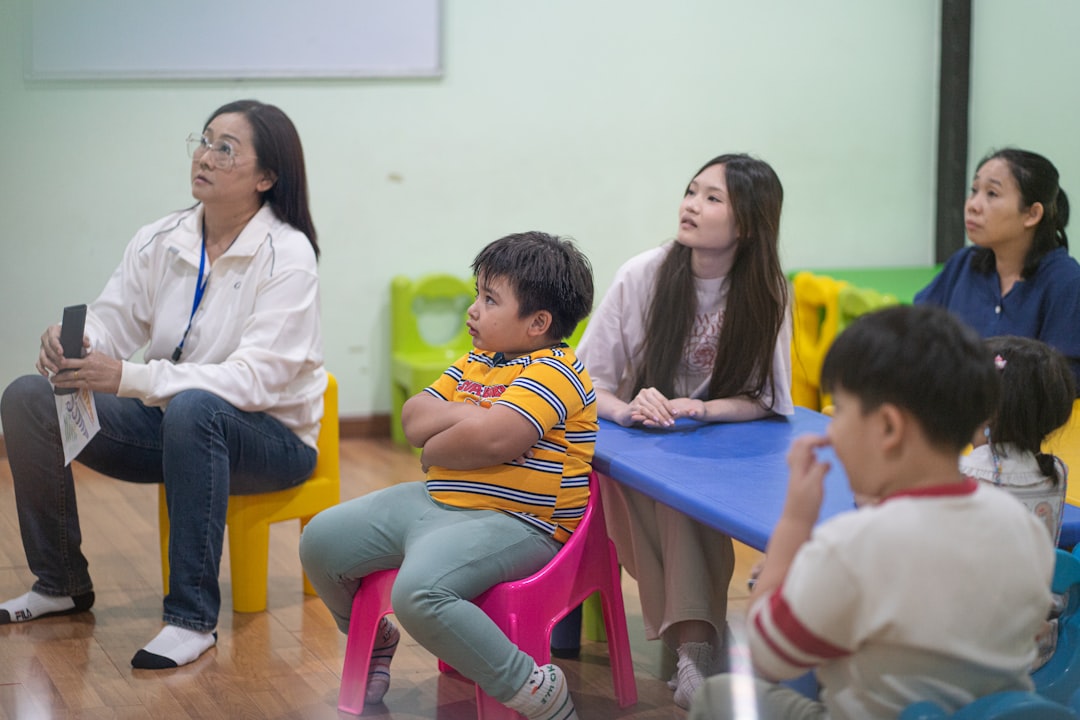
Learning a new language during childhood is one of the greatest gifts parents can offer. Children absorb sounds, rhythms, and words quickly, which makes this stage ideal for acquiring Portuguese. Because of this natural ability, enrolling a child in a Portuguese course for children can open doors to culture, communication, and future opportunities. In this article, you’ll discover why Portuguese is a powerful language, how kids learn best, and what makes a children-focused programme truly effective. By the end, you’ll also find practical tips so parents can support learning at home. Why Choose a Portuguese Course for Children? Many parents want their children to grow up bilingual, and Portuguese is an excellent choice. After all, it is spoken by more than 260 million people worldwide. Above all, learning Portuguese strengthens cognitive skills and improves memory. In addition, children who start learning early show better pronunciation and a more natural flow. This advantage makes the learning journey easier and much more enjoyable. Furthermore, Portuguese connects children to rich cultures such as Portugal, Brazil, Angola, Mozambique, and Cape Verde. Through stories, music, and games, children not only learn words but also understand the diversity of the Lusophone world. How Children Learn Portuguese Naturally Children learn differently from adults. They need play, repetition, and emotional connection. Therefore, the most successful courses use: 1. Play-Based Learning Games, songs, and storytelling help children understand new words without pressure. This approach keeps learning light and fun. 2. Visual and Sensory Activities Flashcards, pictures, drawings, and real objects strengthen memory. Kids learn faster when they can see, touch, or act out words. 3. Short and Engaging Lessons with Portuguese Course for Children Children maintain focus for short periods. For this reason, the best Portuguese courses keep lessons dynamic and varied. 4. Immersive Communication Speaking Portuguese from the first lesson helps children build natural confidence. Simple phrases like “Como te chamas?” or “Queres brincar?” make them participate actively. What to Look for in a Portuguese Course for Children Choosing the right programme matters. A quality course includes: ✔ Native or Fluent Teachers Teachers with natural pronunciation help children develop correct sounds early. ✔ Age-Appropriate Activities Young learners need different methods from teenagers. The course should match cognitive development. ✔ Online and Interactive Options Platforms such as Preply, Lingopie Kids, and Portuguese Native offer personalised online lessons that make learning flexible and accessible. ✔ Cultural Integration Stories, cartoons, children’s songs, and celebrations enrich the experience. ✔ Progress Tracking Parents need clear feedback, simple assessments, and reports that show improvement. Key Benefits of Learning Portuguese Course for Children When a child takes a Portuguese course, they gain advantages that go beyond grammar. 🌟 1. Better Academic Performance Studies show that bilingual children develop stronger problem-solving and multitasking skills. 🌟 2. Improved Communication Skills They become better listeners and more confident speakers. 🌟 3. Cultural Awareness Portuguese exposes them to new foods, music, stories, and traditions. 🌟 4. Future Career Opportunities Growing up bilingual opens doors to international jobs and travel. 🌟 5. Stronger Brain Development Learning languages boosts memory, attention, and creativity. Simple Portuguese Phrases for Children to Start Using Here are some beginner-friendly phrases kids love: Including pronunciation makes learning easier: Children enjoy repeating sounds, so start with daily routines and simple dialogues. Best Online Platforms for Kids Learning Portuguese Because parents want flexible options, many choose online lessons. Some recommended platforms include: ⭐ Preply One-to-one lessons with child-friendly tutors. ⭐ Portuguese Native A platform focused on European Portuguese and brazilian portuguese, offering structured lessons and fun activities. ⭐ LingoPie Kids Children learn through cartoons in Portuguese. ⭐ YouTube Educational Channels Channels with songs, stories, and vocabulary help reinforce learning for free. How Parents Can Help at Home with Portuguese Course for Children Even small actions make a big difference. For example: In this way, learning becomes natural and continuous. Conclusion: Portuguese Course for Children A Portuguese course for children does more than teach vocabulary. It creates confidence, expands cultural awareness, and strengthens the brain. With fun activities, interactive lessons, and consistency, any child can learn Portuguese naturally. Whether you choose online classes or in-person lessons, the key is to keep learning playful and positive. Because when children enjoy the journey, fluency becomes a natural result. Schedule a live class with Portuguese Course for Children

The best Portuguese language teaching website

CONTACT
COURSES

Copyright © 2025 Portuguese Native. All rights reserved.

PortugueseNative 💬
Hi 👋 Thanks for your message! We\'ll get back to you soon.
💬